
Description
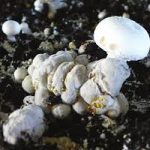
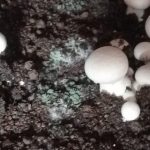
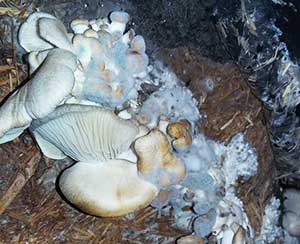
Dry Bubble in Oyster Mushrooms
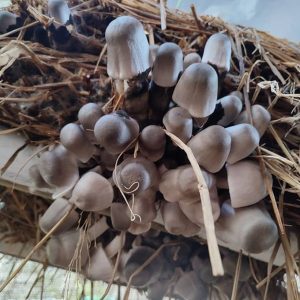
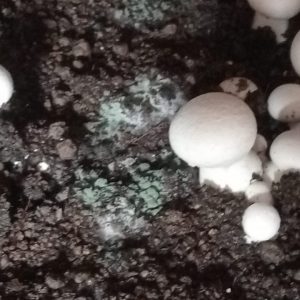
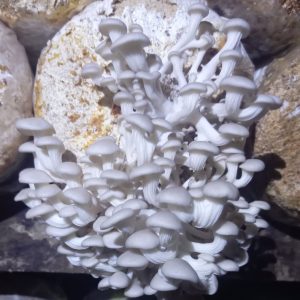
Dry bubble is a disease affecting oyster mushrooms (Pleurotus spp.) and can have significant consequences on their growth and yield. Understanding its causes, symptoms, and management strategies is essential for healthy production.
Causes of Dry Bubble
Pathogen: The disease is primarily caused by the fungus Verticillium fungicola, which can affect various mushroom species with a particular affinity for oysters.
Environmental Conditions: High humidity, inadequate air circulation, and fluctuating temperatures can promote the development of dry bubble.
Contaminated Spawn: Using infected mushroom spawn can introduce the pathogen, leading to outbreaks in commercial crops.
Poor Hygiene Practices: Lack of sanitation in growing environments may contribute to pathogen proliferation.
Management Strategies
Source Quality Spawn: Always use disease-free, high-quality spawn to minimize the risk of infection.
Control Environmental Factors: Maintain consistent humidity and temperature levels, and ensure adequate ventilation to reduce the chances of dry bubble formation.
Regular Monitoring: Inspect crops frequently and remove any affected mushrooms promptly to prevent the spread of the disease.
Sanitation Practices: Implement good hygiene and sanitation protocols in the growing area to minimize contamination.
By focusing on these management practices, producers can effectively reduce the impact of dry bubble on oyster mushroom cultivation.
Reviews
There are no reviews yet.